Together, we build resilient, inclusive and sustainable communities
Through Tension and Trauma Releasing Exercises; Alternative Education; Environmental Protection; and Disaster Risk Reduction.
About Us
The Center of Research and Community Inclusive Support (CORMIS) was established in January 2018 under the management of the Da Nang Union of Science and Technology Associations. We are dedicated to building inclusive communities where everyone—especially those who have been marginalized—can participate fully, release stress and tension, build resilience, and thrive.
CORMIS works alongside communities, partners, and stakeholders to create sustainable solutions that empower marginalized groups through research, education, direct support, and wellness practices. We believe that true empowerment requires both inclusion and wellbeing—everyone deserves the opportunity to contribute their unique abilities, participate in decisions that affect their lives, and access practices that support their mental and physical health. Through our integrated approach to stress and tension release, environmental sustainability, education, and disaster preparedness, we address the interconnected challenges facing vulnerable communities in Vietnam.
By 2030, to be the model for holistic community development in Vietnam—where stress release and trauma healing, environmental action, education, and disaster resilience work together to create communities where no one is left behind and everyone can thrive.
With commitment to empowerment, inclusion, and collective resilience at our core, we research, develop, and implement community-driven solutions that strengthen capabilities and improve quality of life for marginalized people in Vietnam. Through integrated programs in mental wellness and stress release, environmental sustainability and dignified work, capacity-building education, and disaster risk reduction, we train local facilitators, support community initiatives, and build networks of care that enable vulnerable populations to access healing, participate in decisions, and build sustainable futures.
Core Values
- Responsibility – We honor our commitments to the communities we serve
- Creativity – We seek innovative solutions to complex challenges
- Professionalism – We maintain high standards in all our work
- Transparency – We operate with openness and accountability
- Unity – We build strength through collaboration and mutual support
We believe that a "society where no one is left behind" means everyone gets the chance to contribute to positive change with their own unique abilities. Everyone has the right and responsibility to participate in decisions that impact their lives. Through our work, CORMIS contributes to Vietnam's commitment to the United Nations Sustainable Development Goals, working toward a society where dignity, opportunity, wellness, and belonging are available to all.

What We Do
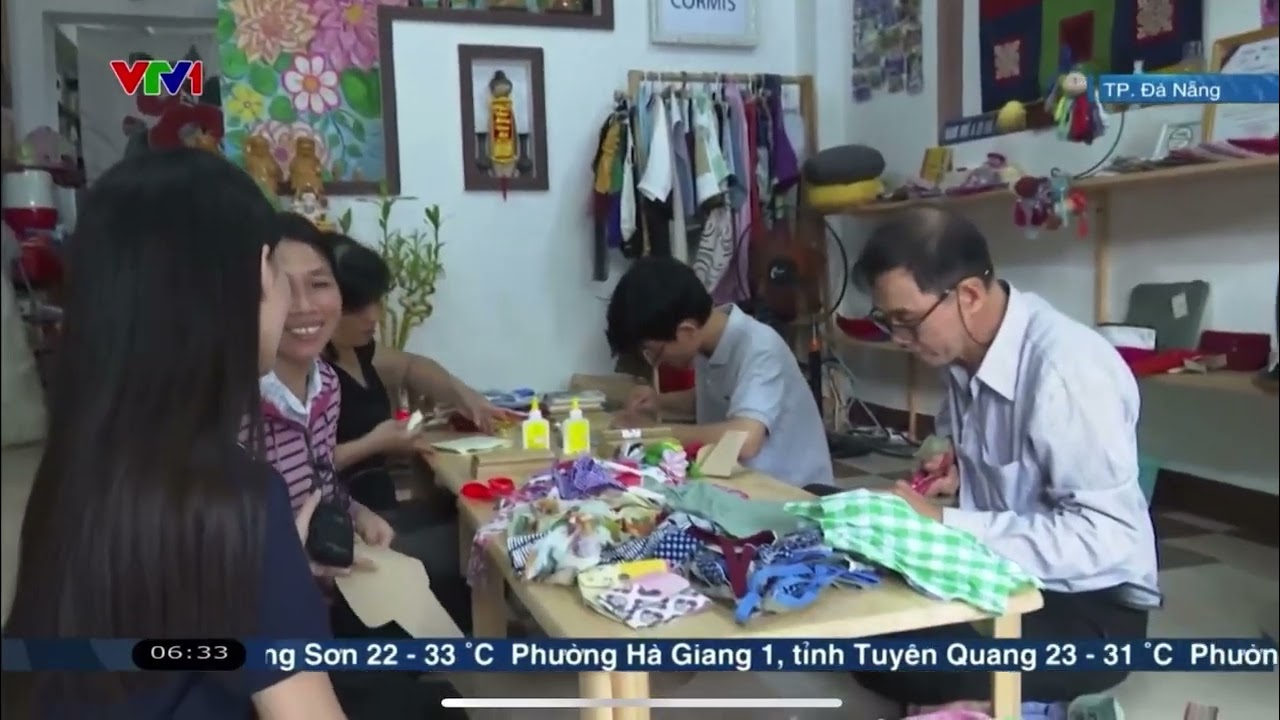
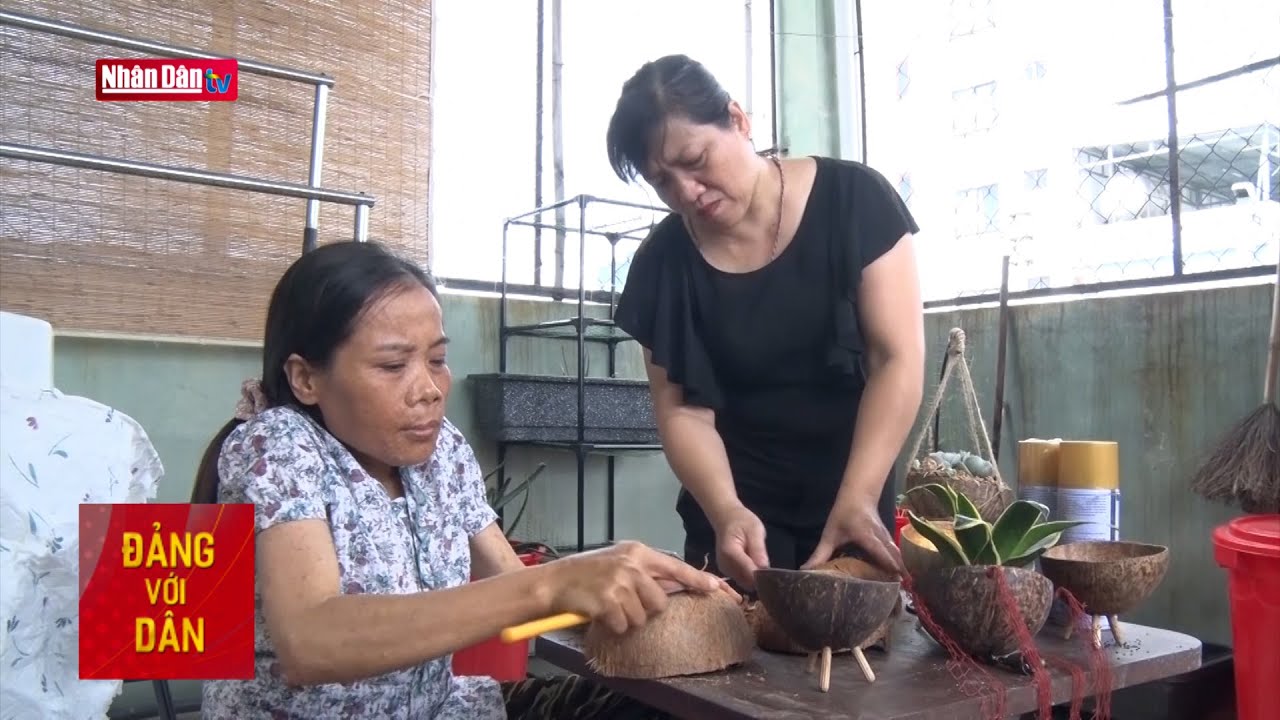
We rescue high-quality fabric remnants from hotels and tailor shops—materials that would otherwise be discarded as waste—and give them new purpose. Through the skillful hands and creativity of our artisan team, these forgotten materials become unique, handcrafted products including bags, accessories, and decorative items.
Who We Serve
Our program directly benefits at-risk communities across Central Vietnam, with particular focus on:
- People with disabilities seeking dignified employment
- Women with unstable income or limited job opportunities
- Youth learning entrepreneurial and vocational skills
- Non-disabled tailors looking to supplement their income
Our Upcycling Initiatives
"Individual Action, Collective Impact: Engaging International Communities"
We believe change starts with small actions each person can take. Through partnerships with international education programs, we welcome students from around the world to learn about sustainable production and consumption while taking concrete action.
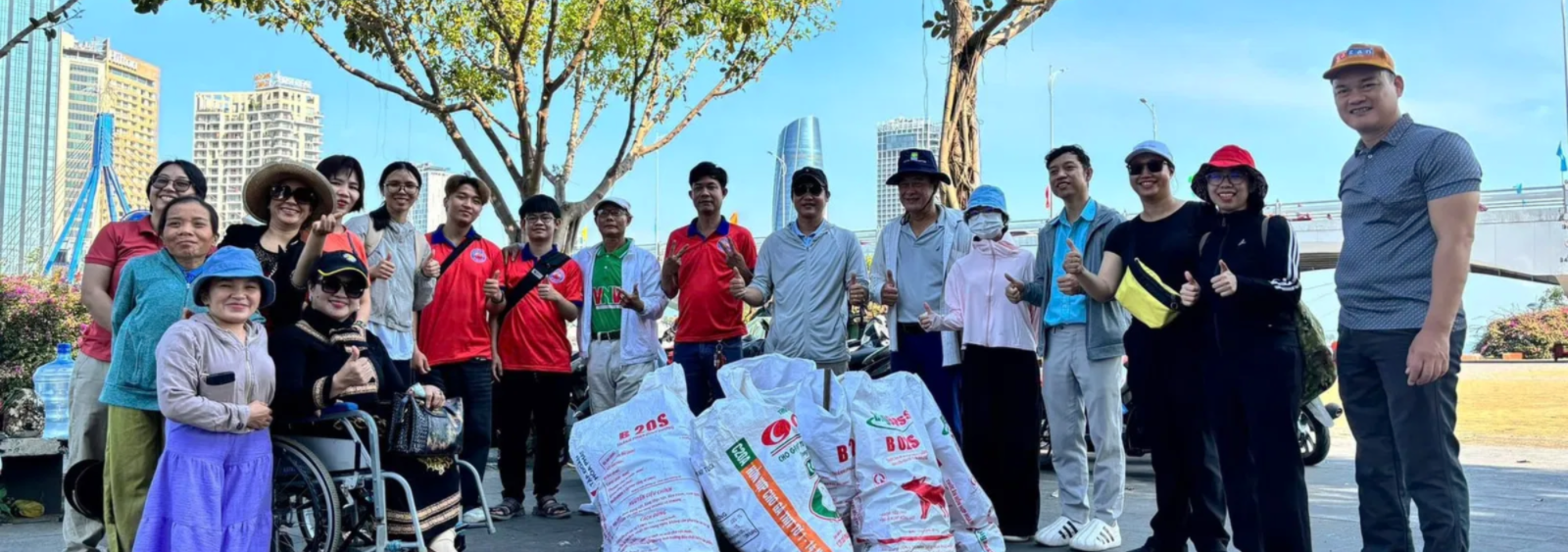
Participants engage through documentaries, workshops, and hands-on activities—making usable products from surplus fabric, collecting waste from beaches and streets, and connecting with our artisan team. These experiences combine environmental education with meaningful cross-cultural exchange, inspiring young people to become sustainability advocates in their own communities.
Corporate Partnerships: Sustainability Journey
We partner with businesses to provide team-building experiences that shift mindsets about waste and sustainability. Through our "Sustainability Journey" program, corporate teams learn that sustainable consumption means not creating waste in the first place—and that when we change our mindset, "trash" becomes resources.
Working alongside our upcycling artisans, corporate participants experience firsthand how fabric waste from hotels transforms into beautiful, useful products. They create items that are donated to disadvantaged children, connecting environmental action with social impact. These partnerships help businesses integrate sustainability into their corporate culture while supporting our artisan team.
The Closed Circle: Connecting Stakeholders for Sustainable Development
Our signature model demonstrates the power of circular economy principles:
- Step 1: We collect used, high-quality fabrics from luxury resorts in Da Nang and surrounding areas.
- Step 2: We guide international guests and community members in transforming these materials into upcycled products through cutting, sewing, and decorating workshops—creating experiential learning about environmental protection and sustainable development.
- Step 3: We donate finished products to students at disability education centers and other marginalized communities.
This closed-loop system addresses waste, creates livelihoods, provides education, and supports vulnerable communities—all while bringing together hotels, international visitors, our artisan team, and disability organizations in a model of true collaboration.
Our Impact
- Environmental Protection – We divert hundreds of kilograms of fabric waste from landfills and waterways each year, reducing pollution and promoting circular economy practices.
- Economic Empowerment – We provide stable income and develop marketable skills for people with disabilities and marginalized workers. Our team members earn fair wages while building professional experience and confidence.
- Community Education – We raise awareness about fast fashion's environmental impact and inspire sustainable consumption habits throughout Central Vietnam and beyond.
- Skills Development – We train youth and team members in upcycling techniques, business skills, and environmental stewardship, empowering them to become change agents in their own communities.
- Building Connection – We bring people and resources together, creating networks of support that strengthen community bonds and advance collective sustainability goals.
The CORMIS Difference
Every upcycled product tells a story of waste transformed, skills honored, and barriers overcome. When you choose CORMIS, you're investing in dignity, sustainability, and inclusive opportunity.
Our upcycling program proves that environmental protection and social inclusion are not separate goals—they strengthen each other. By creating dignified work for people with disabilities while addressing fabric waste, we're building a model of development where no one is left behind and nothing is wasted.
Get Involved
- For Businesses: Partner with us for corporate sustainability programs and team-building experiences that create real impact.
- For Hotels & Tailors: Donate your fabric remnants instead of discarding them—we'll transform them into products that benefit the community.
- For Visitors: Join our upcycling workshops and experience the joy of creating something beautiful from waste.
- For Supporters: Purchase our unique upcycled products or support our artisan team.
Contact us to learn more about our upcycling program and how you can be part of the circular economy.
Member Stories
Ly Na
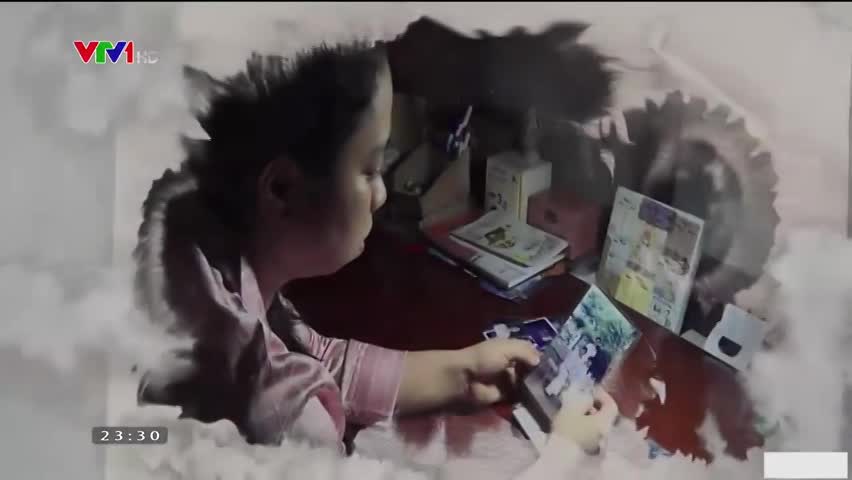
Upcycling TeamMy name is Ly Na, from Quang Ngai. I have a small body and moving around is not always easy, but my hands are strong and skillful. With them, I give new life to fabric scraps that others might throw away.
Read MoreVo Duc
Upcycling TeamI live in Da Nang and was born with hearing loss. For many years, I often kept to myself, afraid of being different and unable to connect with others. A friend introduced me to CORMIS, and from the very first day, I felt nervous and lost. But the warmth and kindness here made me feel truly welcomed.
Read MoreMy Trinh
Upcycling TeamI have a special body because of the effects of Agent Orange: a curved spine, a small frame, and a height of only 1.3 meters. Despite many health problems, I try to live positively. I learned about CORMIS from a group of disabled friends and decided to join to gain new experiences. At first, I felt nervous, but everyone was so kind and friendly that I quickly felt at home.
Read MoreThu Van
Upcycling TeamI first learned about CORMIS through a friend of mine, and from the very beginning, I admired how people could turn scraps of fabric into useful products that also help protect the environment. I felt both surprised and inspired when I realized that something once considered waste could carry so much meaning.
Read MoreThi No
Upcycling TeamMy name is Nở, and I live in Da Nang. I have difficulty walking, but thanks to a friend with a disability who introduced me to Cormis, I found a place full of warmth and support. Here, I feel happy working alongside sisters who are kind, caring, and always ready to share with one another.
Read MoreLy Na
Upcycling Team
Vo Duc
Upcycling Team
My Trinh
Upcycling Team
Thu Van
Upcycling Team
Thi No
Upcycling Team
Van Lanh & Thao Tram
Upcycling Team
What is TRE®?
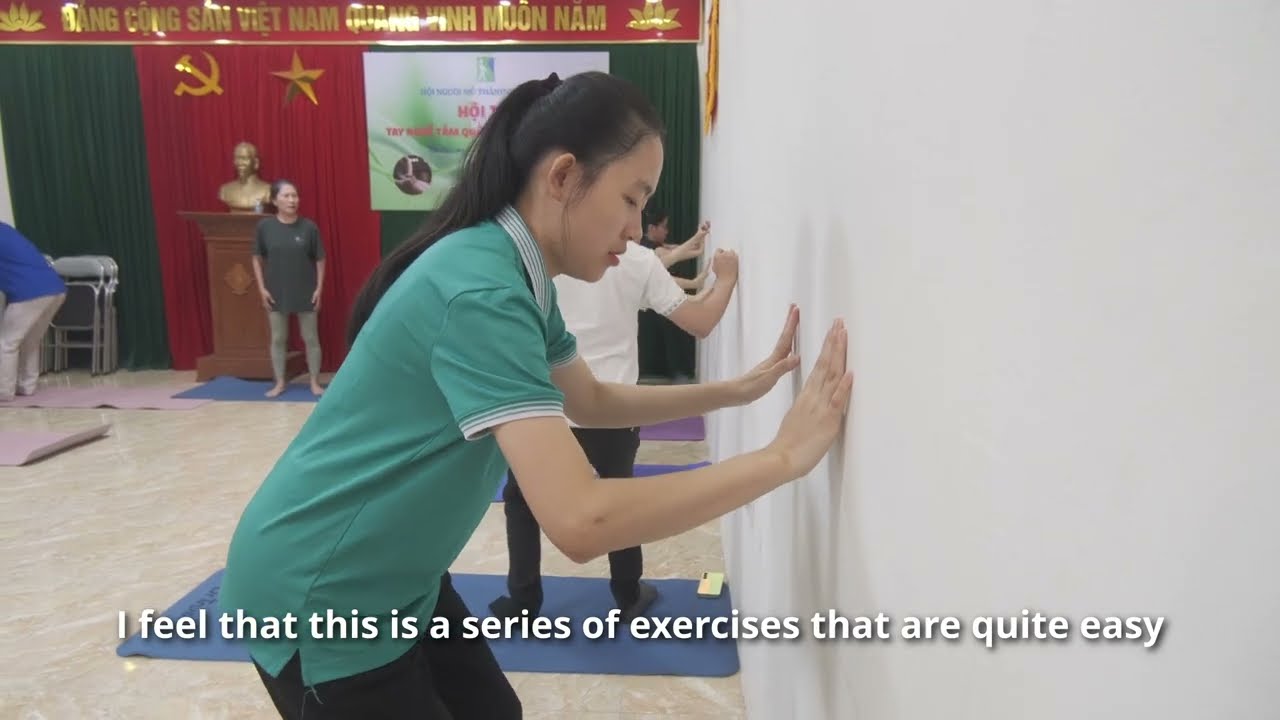
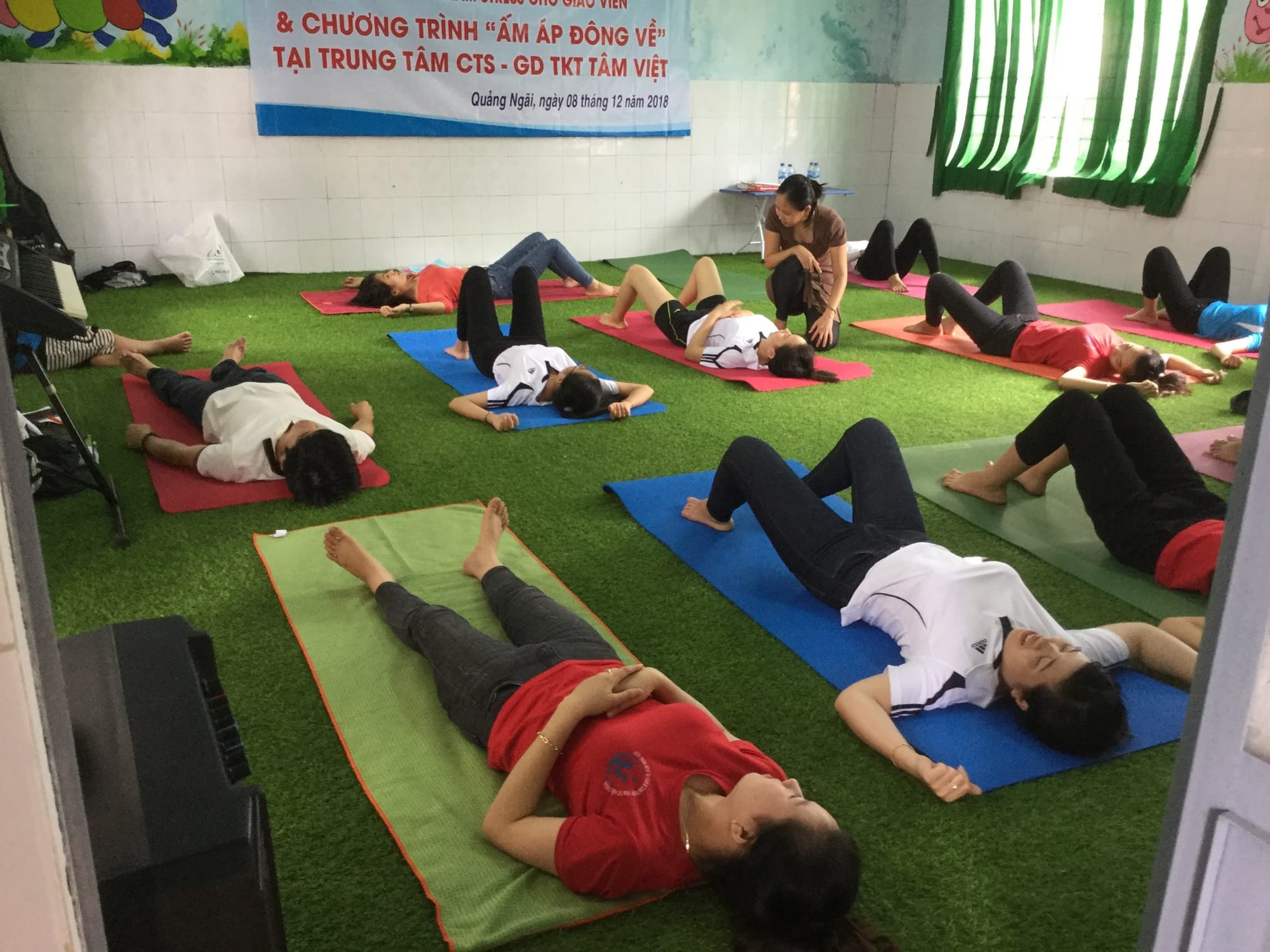
TRE® is a simple yet powerful series of exercises that help the body release deep tension and stress. Developed by Dr. David Berceli, TRE® activates a natural shaking mechanism that helps calm the nervous system and promote healing from stress, tension, and trauma.
TRE® is safe, accessible, and can be practiced by anyone—regardless of physical ability. The exercises can be done lying down, sitting, or standing, making them ideal for people with disabilities.
How Does TRE® Work?
Through a series of gentle exercises, TRE® activates the body's natural tremoring response. This shaking helps release tension held deep in the muscles and nervous system—tension that often builds up from:
- Daily stress and worry
- Past difficult experiences
- Physical pain or limitations
- Feelings of isolation or sadness
- Natural disasters and emergencies
The shaking is not something you force—it happens naturally once the body feels safe enough to let go.
Our TRE® Initiatives
Building Accessibility: TRE® for Deaf Youth
We organized the first TRE® session for deaf youth aged 14-16, supported by sign language interpreters and adapted instruction. TRE® is especially meaningful for disabled youth who have little access to relaxation and emotional release techniques.
One participant shared: "This is the first time I feel my body naturally relax like that. It feels so new, I want to practice more!"
Through accessible adaptations, we're ensuring that healing practices reach everyone, regardless of communication style or physical ability.
Multiplying Impact: Training Community Facilitators
We've trained 6 new TRE® Community Facilitators from 3 regions across Vietnam, including Hanoi and Ho Chi Minh City. Through two intensive 10-day modules, these facilitators gained practical experience guiding diverse groups—from hotel employees and students to visually impaired individuals, physically disabled community members, and children.
This train-the-trainer approach ensures TRE® spreads sustainably throughout Vietnam, with local facilitators bringing healing practices to their own communities in culturally appropriate ways.
Widespread Community Wellness: TRE® Across Vietnam
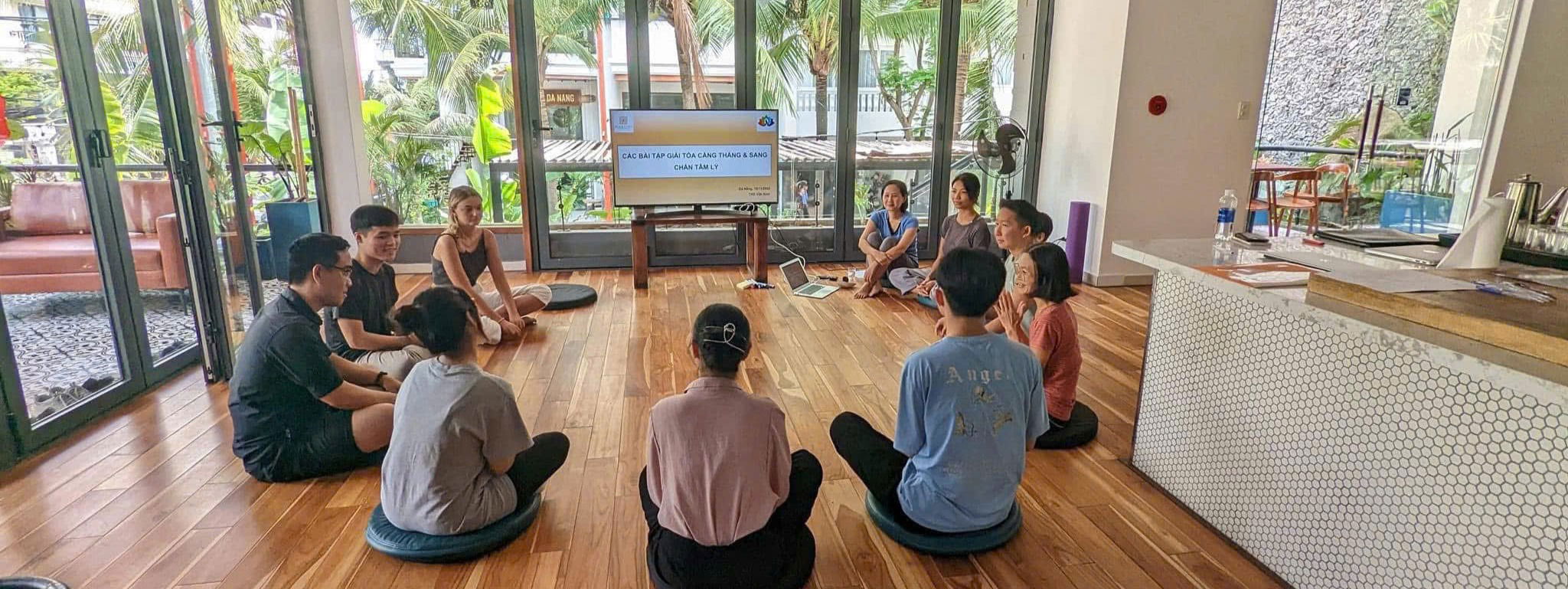
We provide regular TRE® workshops throughout Vietnam—in the North, Central, and Southern regions—raising awareness about mental health and teaching people how to use TRE® safely in daily life to reduce stress.
Our workshops welcome all community members—enterprises, students, INGO staff, local charity organizations, and the general public. Through partnerships with community spaces and businesses, we're creating accessible venues where anyone can learn these life-changing practices.
Benefits of TRE®
Physical Benefits:
- Better, deeper sleep
- Reduced pain in shoulders, legs, and back
- More relaxed muscles
- Improved breathing
- More stable blood pressure
Mental & Emotional Benefits:
- Less worry and fear
- Reduced feelings of sadness and loneliness
- Greater sense of calm
- More positive outlook on life
- Feeling more connected to others
Social Benefits:
- Stronger connections with community
- Reduced feelings of isolation
- More confidence to participate in group activities
- Sense of belonging and support
Why TRE® Works for People with Disabilities
TRE® is particularly beneficial for people with disabilities because:
- It's adaptable – exercises can be modified for any physical ability
- It's empowering – participants learn to help themselves
- It addresses isolation – group sessions create connection and belonging
- It's affordable – once learned, it can be practiced at home for free
- It's non-invasive – no talking about painful experiences required
- It builds hope – many participants report unexpected improvements
Our Impact
CORMIS has brought TRE® to over 260 people in Central Vietnam, including:
- People with disabilities
- Women with disabilities in rural communities
- Healthcare workers
- International students and expats
- Community organizations
- Disaster-affected communities
We have trained 7 Community Facilitators, including people with disabilities, who now share TRE® with their own communities—creating a ripple effect of healing across Central Vietnam.
Join Our TRE® Programs
CORMIS offers regular TRE® sessions and training programs. Whether you are seeking personal healing, want to support your community, or wish to become a certified TRE® Community Facilitator, we welcome you.
Contact us to learn more about upcoming TRE® sessions and training opportunities.
Our Vision for Education
At CORMIS, we believe education is more than acquiring skills—it's about building capacity, confidence, and agency. Our education programs create spaces where marginalized communities, especially people with disabilities, can develop new abilities, share their knowledge, and become change agents in their communities.
We focus on alternative education that is accessible, practical, and empowering—from environmental awareness to vocational skills to leadership development.
Our Education Initiatives
Mutual Learning: Breaking Down Barriers Through Shared Knowledge
We create opportunities for students and people with disabilities to learn from each other. When university students work alongside disabled community members, something transformative happens—both groups discover they have valuable knowledge to share.
Students learn about deaf communication, adaptive strategies, and the lived experiences of people with disabilities. Meanwhile, disabled participants gain new technical skills, language abilities, and confidence. One student reflected: "These experiences help us understand how Deaf children communicate with each other in real life and how organizations support them. We are proud that today we have become a part of it."
This reciprocal approach challenges assumptions about who has knowledge worth sharing and builds genuine inclusion through mutual respect.
Environmental Education: Sowing Seeds of Change
We bring environmental education to children and youth through hands-on, joyful learning experiences. In partnership with schools and education centers, we teach young people about fabric waste, sustainable consumption, and how everyday choices impact our planet.
Through workshops like "Sowing Green Seeds," children ages 6-12 engage with games, storytelling, and creative activities that make environmental concepts accessible and fun. They learn to transform waste into useful items, gaining practical skills while developing environmental awareness that will shape their choices for years to come.
Building Leadership: Training Trainers with Disabilities
We invest in people with disabilities as environmental advocates and community leaders. Our Training of Trainers programs bring together 80+ participants from disability organizations—including people with mobility, vision, and hearing disabilities—along with representatives from children's disability centers and government departments.
Participants learn about environmental protection laws, policies, and practical programs they can implement in their communities. By building capacity among people with disabilities to become trainers and advocates themselves, we're creating a more inclusive environmental movement while challenging stereotypes about who can be a leader.
International Exchange: Learning Across Cultures
We welcome international students for immersive learning experiences that combine sustainability education with cultural exchange. Students from countries like Belgium participate in intensive programs exploring fast fashion, sustainable production, and waste reduction.
Through field visits to garment factories in Hoi An, conversations with local businesses about fabric waste, and hands-on waste collection activities, international students gain real-world understanding of sustainability challenges and solutions. These exchanges also build global networks of young people committed to environmental and social justice.
Our Impact
Through our education initiatives, we have:
- Connected hundreds of students with disability communities for mutual learning
- Trained 80+ people with disabilities as environmental advocates and trainers
- Reached hundreds of children with environmental education programs
- Hosted international student exchanges from multiple countries
- Built partnerships with schools, universities, disability organizations, and government agencies
- Created accessible learning environments where everyone can participate and contribute
Our Approach
- Accessible by Design – We ensure all education programs are accessible to people with disabilities through sign language interpretation, tactile materials, modified instruction, and inclusive facilitation.
- Experiential Learning – We prioritize hands-on experience, real-world application, and learning by doing rather than passive instruction.
- Reciprocal Knowledge – We recognize that everyone has valuable knowledge to share, and we create spaces for mutual learning across differences.
- Building Agency – We focus on developing skills, confidence, and leadership capacity that enable participants to become change agents in their own communities.
Join Our Education Programs
Whether you're a student seeking meaningful service learning, an educator looking for partnership opportunities, or a community member interested in skill development, CORMIS welcomes you.
Contact us to learn more about our education initiatives and how to get involved.
Why This Matters
Located in the Pacific Northwest tropical monsoon climate, Vietnam faces frequent natural disasters including floods, storms, cyclones, landslides, flash floods, and whirlwinds. These disasters create tremendous impacts on economic sectors, increase poverty, negatively affect households and communities, and contribute to environmental degradation and serious health issues. CORMIS believes that no one should be left behind in disaster risk management—including people with disabilities, elderly community members, children, and those living in remote mountainous areas.
Our Approach
We work across three interconnected areas to build true community resilience:
Prevention & Preparedness: Building Capacity Before Disaster Strikes
We partner with local government, Steering Committees of Disaster Prevention & Control, and Technical Support Groups in disaster-prone areas to strengthen their capacity to respond effectively to natural disasters and minimize losses.Through participatory community mapping, planning workshops, and technical training, we help communities identify risks, develop response plans, and build the skills needed to protect lives and livelihoods when disasters occur.
Emergency Response: Meeting Immediate Needs
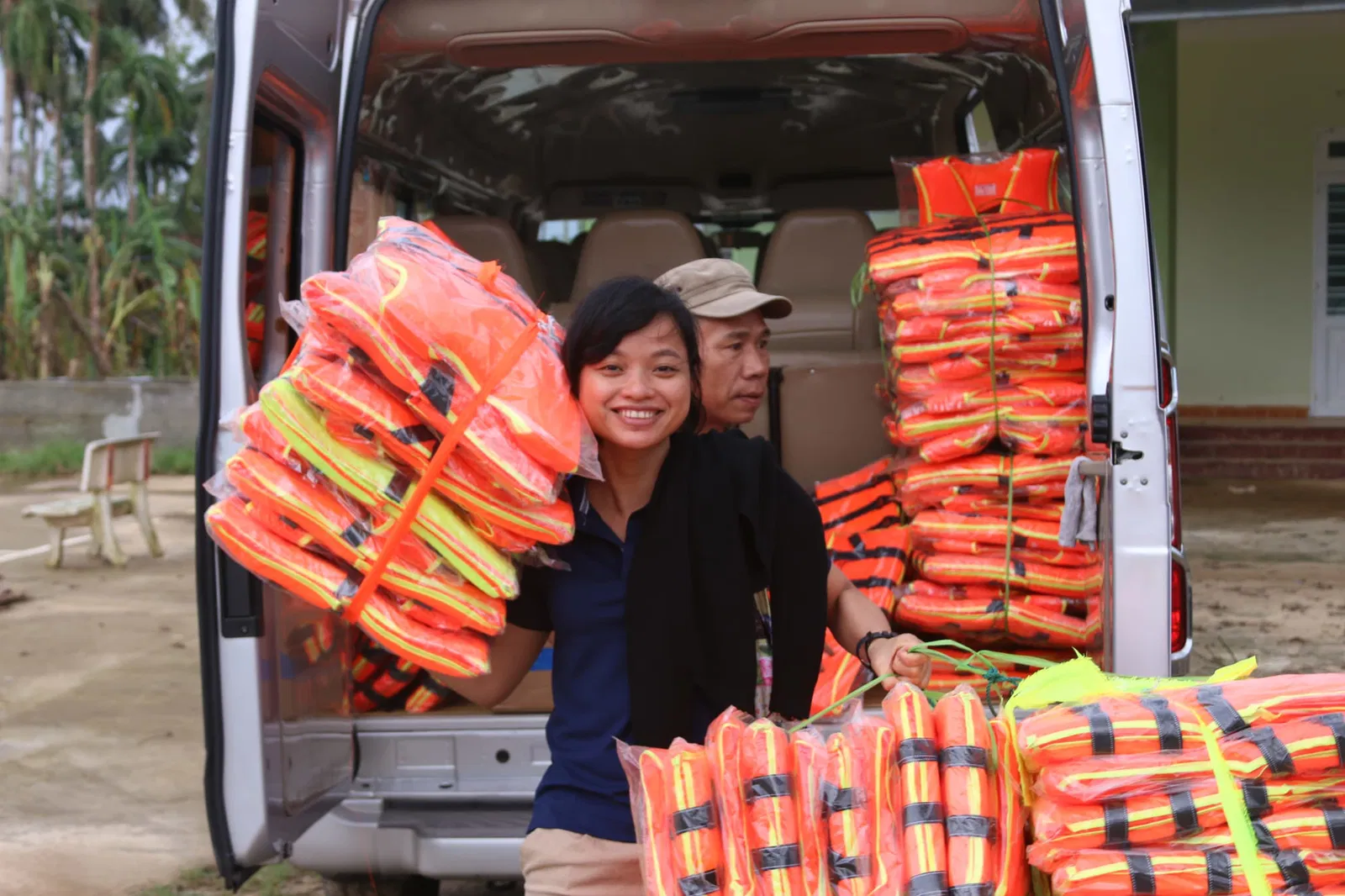
When disasters strike, we provide rapid material assistance to affected communities. Our emergency aid includes:
- Blankets and basic necessities for families who have lost everything
- Food supplies for adults and children
- Support to rebuild homes and restart businesses
- Educational materials and support for children to continue learning after disasters
- Prevention materials: lifejackets, generators, facemasks, hand sanitizer
- Water filtering systems for schools in mountainous areas
Priority groups include children, women, elderly people, and those living in remote mountainous areas who face the greatest barriers to accessing external assistance.
Inclusive Preparedness: Ensuring Access for All
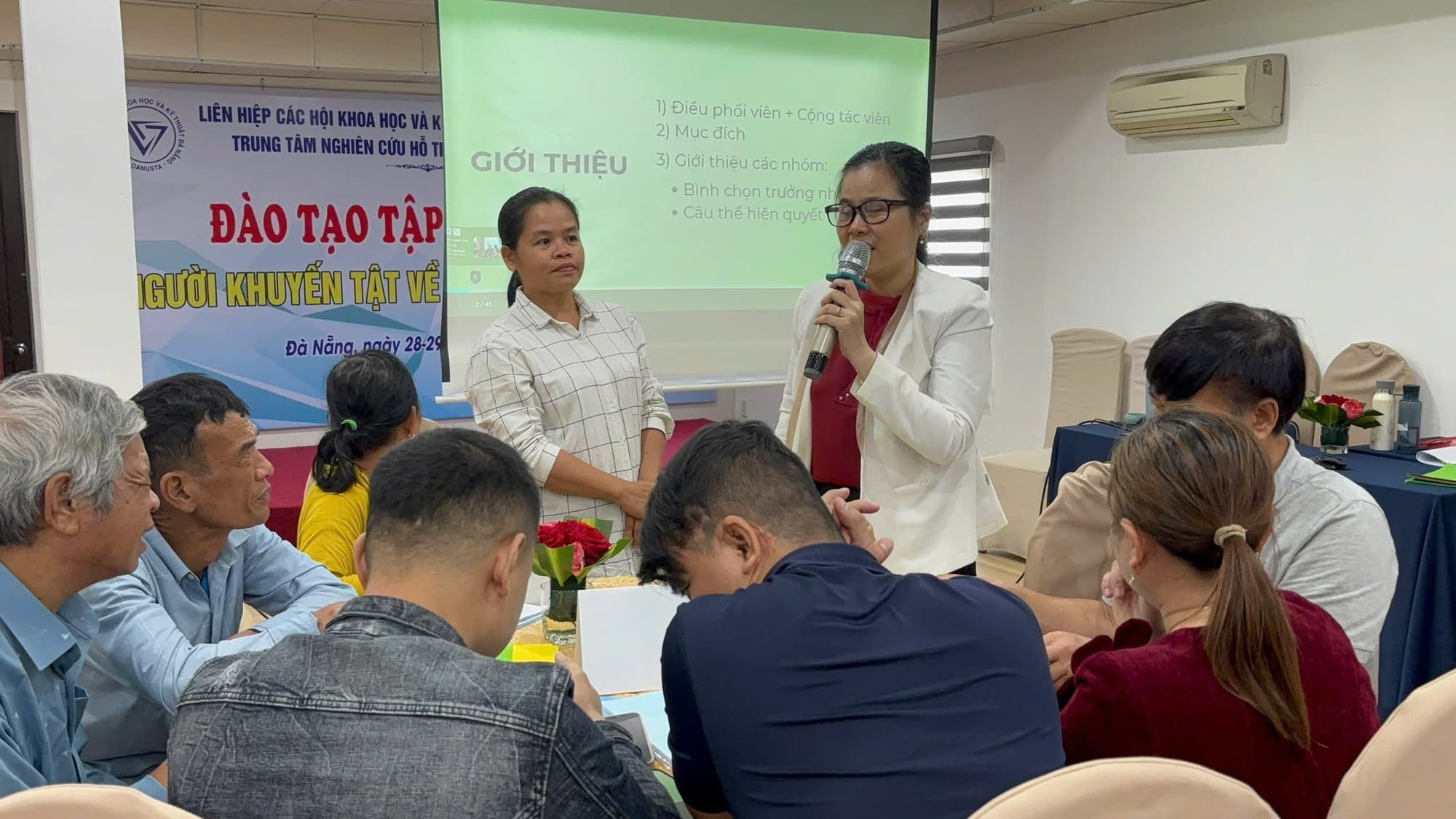
We identify and address critical gaps in disaster preparedness systems. Working with disability communities, we've discovered that many early warning systems are inaccessible to people with hearing or vision impairments. Through specialized training workshops—such as our Disaster Risk Management training for the Deaf community—we bring together disability organizations, government disaster agencies, and policy leaders to develop truly inclusive early warning and response systems. Our work ensures that emergency information reaches everyone, regardless of disability, and that disaster management agencies have the knowledge and tools to serve all community members effectively.
Our Impact
Through community-based disaster risk reduction initiatives, we have:
- Strengthened local government capacity for disaster prevention and response
- Provided emergency relief to hundreds of families across Central Vietnam
- Trained disability community leaders and government officials on inclusive disaster management
- Installed water filtering systems in remote mountain schools
- Rebuilt homes and supported business recovery for disaster-affected families
- Created accessible early warning systems for deaf and blind communitie
Building a Safer Future Together
Climate change is increasing both the frequency and intensity of natural disasters in Vietnam. Through prevention, rapid response, and inclusive systems, CORMIS is helping communities not just survive disasters—but build the resilience to thrive despite them. Contact us to learn more about our disaster risk reduction initiatives or to support our emergency response work.
Members
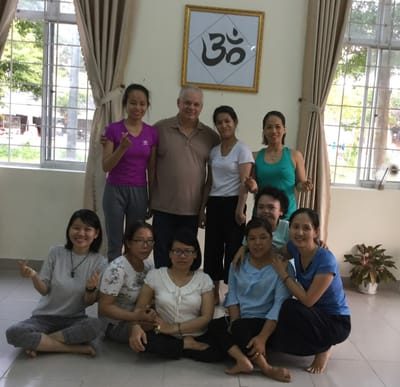
Dung Mai devotes her life to CORMIS. She is President of the organization and serve humanity.
Dung Mai
Technical Supporters
Youth Support Circle
Priyansh Bansal
Ridhwansabri bin Haji Hashim (Duen)
Ashlie Pozzebon
Kelly Vo
Nguyen Thien Nhan
Vo Thi Lan Oanh
Pham Thi My Linh
Nguyen Tran Thuy Linh
Le Ngan Khanh (Lisa)
Pham Phuong Uyen
Vo Thi Thuy Tien
Services offered by Cormis
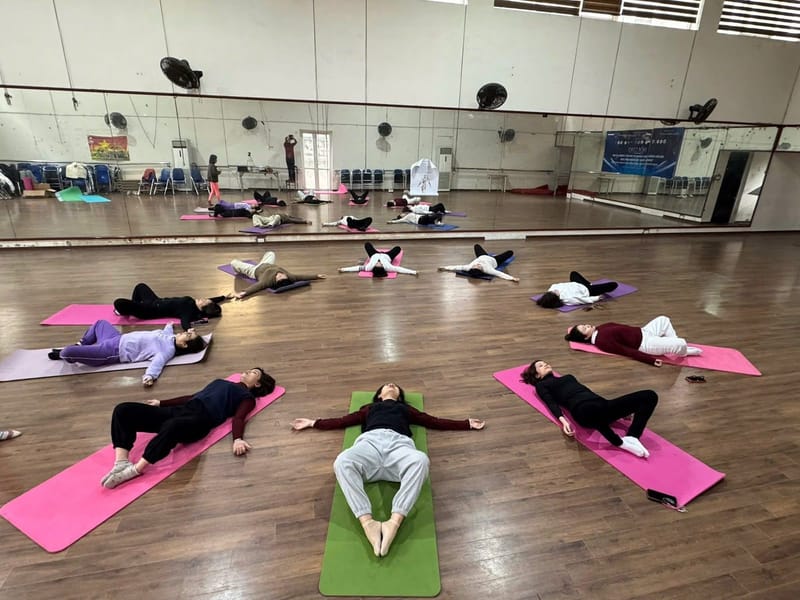
Stress Relief for Individuals/Groups (Tension & Trauma Releasing Exercises - TRE™)
We provide guided TRE™ sessions to help release stress and “stored” tension in the body, calm an overactivated nervous system, and support the body in returning to a more relaxed and balanced state. Sessions can be conducted individually or in groups, depending on participants’ needs.
Register now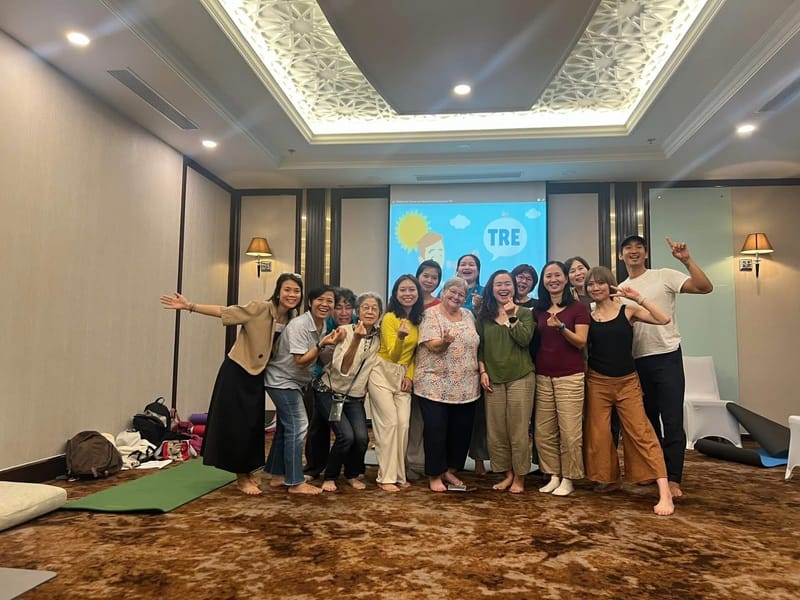
TRE™ Facilitator Training for the Community
In addition to community TRE™ sessions, we offer in-depth training programs, including TRE™ Facilitator training and TRE™ Certification training (internationally recognized). These programs are organized based on learners’ needs, with the goal of developing more qualified facilitators and providers of TRE™ in Vietnam.
Register now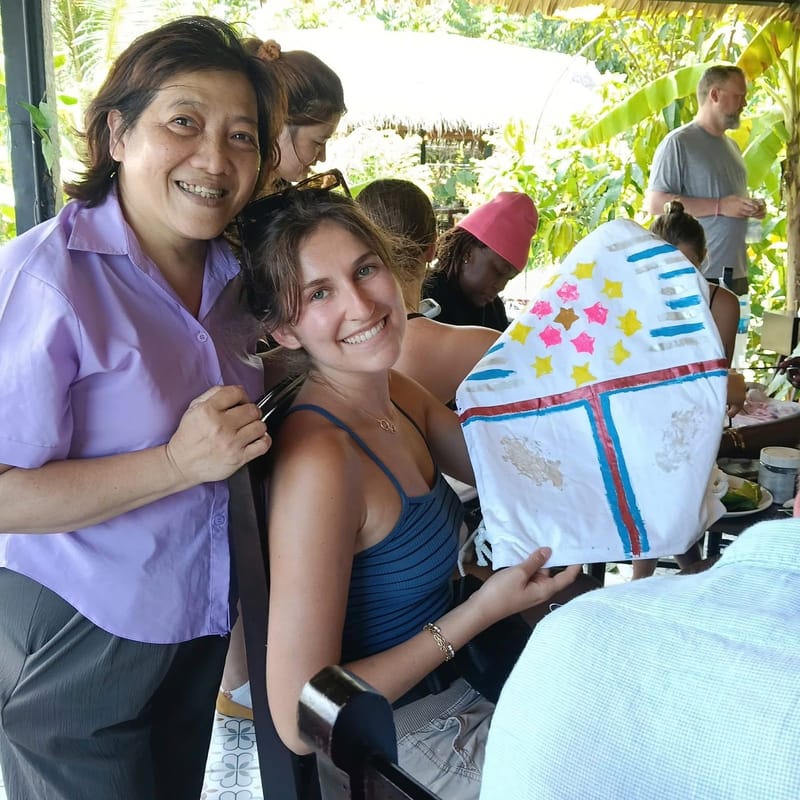
Textile Waste Reduction Solutions & Community Education
We organize educational programs on fast fashion and textile waste to raise awareness about their environmental and social impacts. Participants gain a clearer understanding of the causes and consequences of textile waste, and are encouraged to take more proactive steps in reducing waste at the source. These sessions often include hands-on upcycling activities, helping participants explore practical ways to reuse old clothes or leftover fabric and build more sustainable daily habits. In addition, we offer a range of upcycled products made from fabric scraps and gently used materials as eco-friendly alternatives. Customers can purchase ready-made items or bring their own old clothes/fabric to customize products based on their needs.
Register now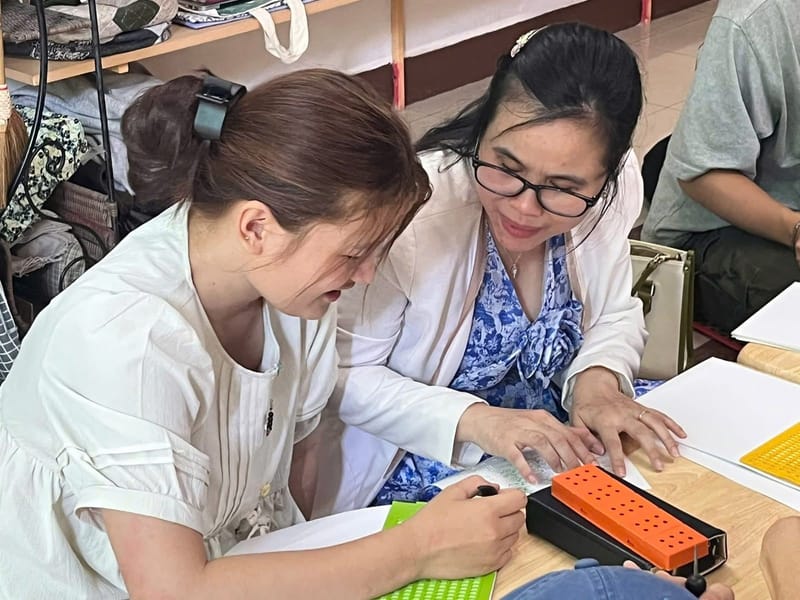
Education on Social Inclusion for Disadvantaged Groups
Promoting the inclusion of disadvantaged groups is one of CORMIS’s core missions. We organize educational sessions on various topics to help the community better understand these groups, break down social barriers, and foster stronger connections. Some sessions include direct participation from individuals of vulnerable communities, who share their lived experiences and, in many cases, become the “teachers” in these learning spaces.
Register now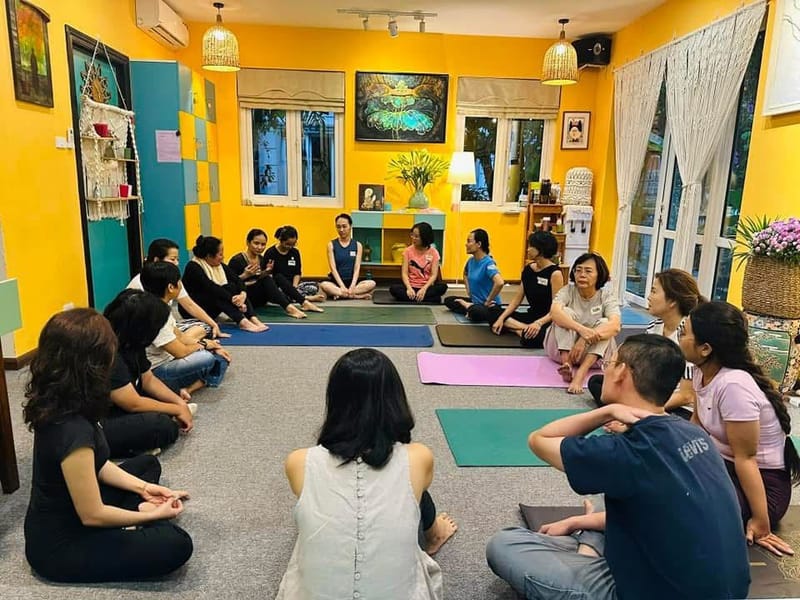
Technical Consultancy in CORMIS’s Key Areas
We provide technical consultancy across four main programs: (1) Mental well-being through stress-release practices, (2) Environmental protection through waste reduction initiatives, (3) Education for social inclusion of vulnerable groups, and (4) Disaster risk reduction in the context of climate change adaptation. Organizations and individuals are welcome to contact us for tailored technical support in any of these areas.
Register nowGallery










Support
Support for Uplift Society, Your Every $ Spend in Rightful Place with 100% Transparency
$50
Contact Us
CONTACT US FOR MORE INFORMATION OR BE MEMBERS
- 76 Võ Trường Toản, phường Sơn Trà, thành phố Đà Nẵng, Viet Nam
- CORMIS
- +84-905987927 - CORMIS Vietnam
- info@cormis.org
- 10:00 AM TO 6:PM MONDAY TO FRIDAY